







The Ultimate Guide to Online Learning Tips for Success
Online learning has moved from a niche alternative to a mainstream educational option, whether through fully online degree programs, individual online courses, or hybrid classes that blend in-person and digital instruction. Succeeding in this environment requires a somewhat different skill set than traditional classroom learning, since the built-in structure and accountability of physically attending class disappears, leaving students responsible for managing far more of their own learning process independently.
Why Online Learning Requires Different Skills
In a traditional classroom, a set schedule, physical presence, and direct teacher supervision provide external structure that naturally supports consistency. Online learning removes most of this external scaffolding, placing considerably more responsibility on the individual student to create their own structure, manage their own time, and maintain motivation without the same level of direct accountability.
This shift explains why some genuinely capable students who thrived in traditional classrooms struggle initially with online formats, not because they lack ability, but because online learning demands a different, more self-directed set of skills that traditional schooling doesn’t always explicitly teach or require.
Create a Dedicated Learning Space
Just as a physical classroom creates psychological separation between “learning time” and other activities, establishing a dedicated space specifically for online coursework helps create that same mental separation at home. This doesn’t require an elaborate home office setup — even a consistent corner of a room, used specifically and exclusively for coursework, can help train your brain to associate that space with focused learning.
Avoid, if at all possible, doing coursework from your bed or a space strongly associated with relaxation, since this can create confusing mental associations that make it harder to maintain focus during study sessions and harder to relax during actual rest time.
Build Your Own External Structure
Since online courses often lack the built-in structure of scheduled class meetings, creating your own external structure becomes essential. This means treating online coursework with the same seriousness and scheduling discipline as you would an in-person class, blocking out specific times on your calendar for watching lectures, completing assignments, and reviewing material, rather than approaching it with a vague “I’ll get to it whenever” mentality.
Setting personal deadlines that are earlier than official due dates can also provide a useful buffer, since online learning platforms sometimes have technical issues, and submitting work at the actual last minute leaves no room to handle unexpected complications.
Actively Engage Rather Than Passively Consume
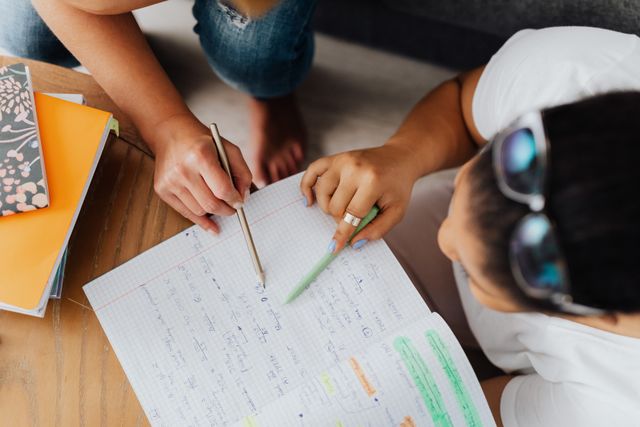
It’s remarkably easy to have an online lecture playing in the background while your attention drifts elsewhere, in a way that would be considerably harder to get away with in a physical classroom. Actively combating this passive consumption tendency requires deliberate effort: taking genuine notes while watching lectures, pausing periodically to summarize what you’ve just learned, and resisting the urge to multitask with other browser tabs or your phone during instructional content.
Treating online lectures with the same level of engaged attention you’d bring to an in-person class, rather than treating them as background content, dramatically improves how much you actually retain from the material.
Participate Actively in Discussion Forums and Group Work
Online courses often include discussion boards or collaborative group projects, and it’s tempting to do the bare minimum required to satisfy participation requirements. However, genuine engagement in these spaces, asking real questions, offering thoughtful responses to classmates, and actively participating in group discussions, provides meaningful learning benefits beyond just fulfilling a grading requirement.
This active engagement also helps combat the isolation that online learning can sometimes create, building a sense of connection with classmates and instructors that supports both motivation and understanding.
Don’t Hesitate to Reach Out to Instructors
The physical distance inherent in online learning can make some students hesitant to reach out to instructors with questions, worrying it might seem like an imposition or that they should figure things out independently. In reality, most online instructors expect and welcome student communication, since they don’t have the same natural opportunities to gauge confusion through classroom body language or informal after-class conversations that in-person instructors rely on.
Proactively emailing instructors with genuine questions, rather than silently struggling with confusing material, ensures issues get addressed before they compound into larger problems affecting your overall understanding or grades.
Manage Technology Thoughtfully
Online learning inherently involves spending considerable time in front of screens, which can lead to genuine fatigue if not managed thoughtfully. Building in regular screen breaks, adjusting display settings to reduce eye strain, and being intentional about separating “screen time for learning” from “screen time for entertainment” can help manage the cumulative fatigue that comes with an entirely digital learning environment.
Additionally, familiarizing yourself thoroughly with whatever learning platform your course uses, rather than discovering critical features for the first time under deadline pressure, prevents unnecessary technical stress from compounding with academic pressure.
Maintain Social Connection Despite the Distance
One of the genuine challenges of online learning is the reduced natural social interaction compared to a physical classroom environment. Deliberately seeking out connection, whether through study groups formed with classmates, active participation in course forums, or simply reaching out individually to classmates working on similar material, helps combat the isolation that can otherwise undermine both motivation and learning outcomes.
Final Thoughts
Succeeding in online learning ultimately requires taking on considerably more self-directed responsibility than traditional classroom learning typically demands. Creating dedicated structure, actively engaging with material rather than passively consuming it, participating genuinely in collaborative components, and deliberately maintaining connection with instructors and classmates all help replicate, as much as possible, the accountability and engagement that physical classrooms provide naturally. With these deliberate strategies in place, online learning can be just as effective, and sometimes considerably more flexible and personally tailored, than traditional in-person instruction.