





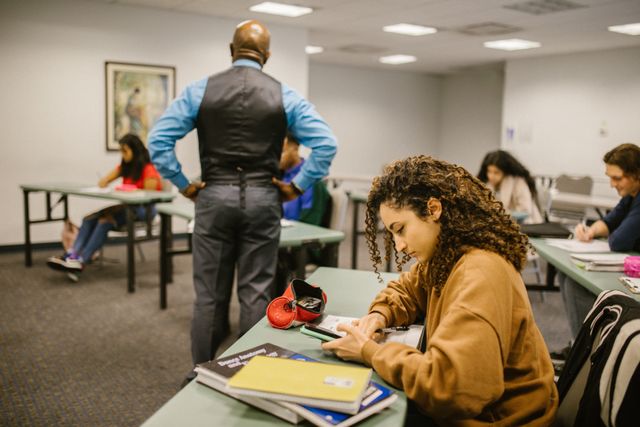
What Schools Teach Without Ever Saying It
Every school has an official curriculum printed in a syllabus — math, science, literature, history. But alongside it runs a second, unofficial curriculum that no one writes down, yet every student absorbs deeply: lessons about authority, worth, competition, and what kind of person gets rewarded. Educators call this the “hidden curriculum,” and it may shape a student’s character more permanently than anything on the official test.
What the Hidden Curriculum Actually Teaches
The hidden curriculum isn’t a conspiracy — it’s simply the accumulated effect of how a school is structured, day after day, year after year. A few examples of what it quietly communicates:
- Bells and schedules teach that time belongs to someone else. Moving to a new subject the moment a bell rings, regardless of whether you were in the middle of understanding something, teaches students that their own pace doesn’t matter as much as the system’s pace.
- Grading curves teach that other people’s failure benefits you. When a class is graded on a curve, a student’s success is partly tied to classmates doing worse — a subtle, repeated lesson in competition over collaboration.
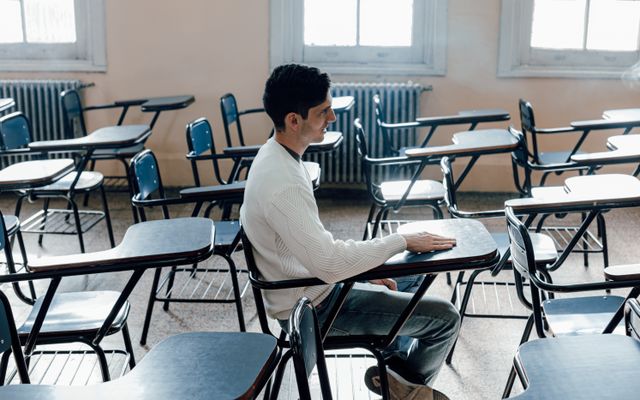
- Raising hands and waiting to be called on teaches that your thoughts need permission. Over twelve years of schooling, a student raises their hand thousands of times, absorbing the quiet rule that spontaneous thought must be filtered through an authority figure before it counts.
- Uniform dress codes and seating charts teach conformity as a value in itself, sometimes separate from any stated academic purpose.
None of this means schools are secretly malicious. Most of these structures exist for practical reasons — managing large groups of children safely and efficiently. But the side effects of those practical choices are real, and they compound over years far more than any single lesson plan.
Why This Matters More Than It Seems
Students don’t just leave school with knowledge of algebra or grammar — they leave with deeply practiced instincts about how to relate to authority, mistakes, and their own voice. A student who spent years being rewarded for quiet compliance and penalized for questioning instructions often carries that instinct into adulthood, hesitating to challenge a bad decision at work or speak up when something seems wrong. A student who was frequently punished for “wrong” answers, rather than encouraged to explain their reasoning, often develops a lasting fear of being incorrect in public — long after they’ve forgotten the specific facts they were tested on.
This is part of why some highly “successful” students on paper — good grades, good test scores — sometimes struggle later with ambiguity, creative risk-taking, or disagreeing with a supervisor. They were trained extremely well at the official curriculum, and just as thoroughly, if invisibly, at the hidden one.
How the Hidden Curriculum Differs Across Classrooms
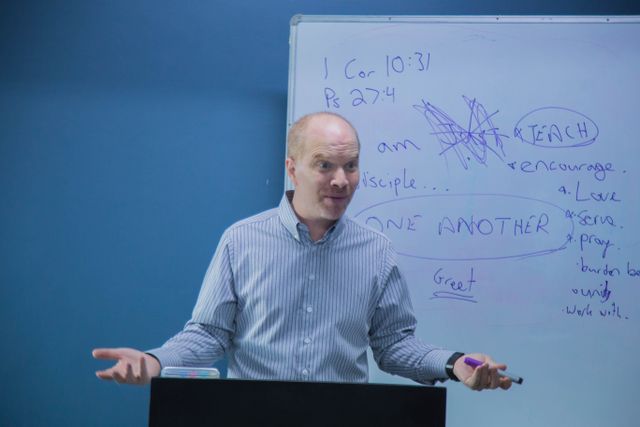
Not every classroom teaches the same hidden lessons, even within the same school. A teacher who responds to a wrong answer with curiosity (“interesting — walk me through how you got there”) rather than correction alone is quietly teaching that mistakes are part of thinking, not evidence of failure. A teacher who allows students to question an assignment’s purpose, rather than simply enforcing it, is teaching that authority can be reasoned with rather than only obeyed.
This means two students sitting in the same school, studying the same official syllabus, can leave with very different hidden lessons depending entirely on the small, everyday choices of the adults around them — how disagreement is handled, how mistakes are treated, how much autonomy is offered in small decisions.
What Parents and Teachers Can Actually Do
Recognizing the hidden curriculum doesn’t require dismantling the school system — it requires noticing small, repeated moments and being intentional about what they teach:
- When a child gets something wrong, ask “what was your thinking?” before correcting them. This teaches that reasoning matters even when the conclusion was off.
- Occasionally let students choose how to complete a task, not just what the task is. Even small choices teach autonomy.
- When a rule exists, briefly explain why it exists rather than only enforcing it. This teaches that authority can be reasonable, not just absolute.
- Praise the act of disagreeing respectfully with a peer or even a teacher, when done thoughtfully — this is a skill many adults never fully develop simply because it was never welcomed early on.
The Bigger Point
Report cards measure the official curriculum. Nothing measures the hidden one — and that’s exactly why it deserves more attention, not less. The facts a student memorizes will fade over time, but the quiet lessons about their own voice, their relationship with mistakes, and their comfort with authority tend to stay with them for decades, shaping choices no test could ever capture.