









How to Study for a Geography Exam Effectively
Geography exams present a genuinely unique blend of factual recall, spatial reasoning, and conceptual understanding of how physical and human systems interact across the globe. Successfully preparing for these exams requires an approach that goes beyond simply memorizing locations, recognizing that genuine geographic understanding involves grasping relationships between places, environments, and human activity.
Understanding the Different Dimensions of Geography
Geography as a subject typically spans several distinct dimensions: physical geography, covering landforms, climate, and natural processes; human geography, covering population patterns, culture, and economic activity; and the genuinely important intersection between these two, understanding how physical environments shape human activity and how human activity in turn shapes physical environments. Recognizing these distinct but interconnected dimensions helps organize your studying more effectively than treating geography as a single, undifferentiated subject.
Building Genuine Spatial Awareness
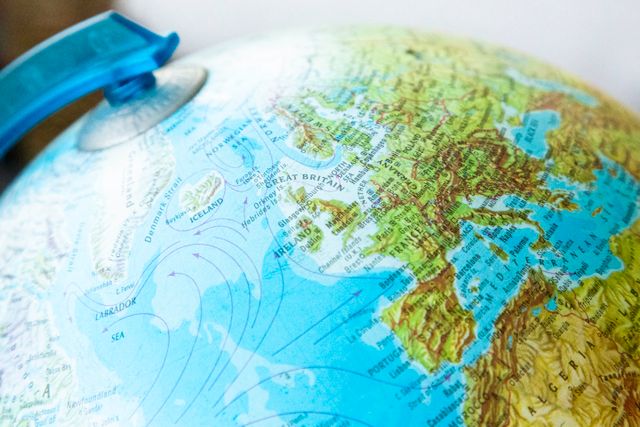
Unlike many subjects, geography benefits enormously from spatial, map-based learning rather than purely text-based study. Regularly working with maps, tracing physical features, political boundaries, and various thematic overlays like climate zones or population density, builds spatial awareness that’s genuinely difficult to develop through text-based study alone.
Practice actively, rather than passively, engaging with maps: try sketching rough maps from memory, labeling key features, or predicting what climate or economic patterns might exist in a region based on its physical geography, before checking your predictions against actual data.
Understanding Cause and Effect in Physical Geography
Rather than memorizing isolated facts about specific landforms or climate patterns, focus on understanding the underlying causal processes: why do certain regions experience particular climate patterns based on their latitude, elevation, and proximity to oceans? Understanding these underlying causal relationships allows you to reason through questions about unfamiliar locations based on general geographic principles, rather than requiring you to have specifically memorized facts about every possible location a question might reference.
Connecting Human Geography to Real-World Context
Human geography topics, population distribution, urbanization, migration patterns, economic development, become considerably more memorable and understandable when connected to genuine current events and real-world examples rather than remaining purely abstract. Following relevant current news related to migration, urban development, or economic geography helps reinforce classroom learning with genuinely contemporary, memorable examples.
Using Case Studies to Deepen Understanding
Many geography courses incorporate specific case studies, detailed examinations of particular countries, regions, or environmental issues, that illustrate broader geographic concepts through concrete, specific examples. Thoroughly understanding these case studies, rather than treating them as isolated facts to memorize separately, helps you see how broader geographic principles play out in genuine, specific real-world contexts, which considerably strengthens your ability to apply similar reasoning to unfamiliar scenarios during an exam.
Practicing With Map-Based Exam Questions
Geography exams frequently include questions requiring map interpretation or analysis, and developing comfort with this specific question format requires deliberate practice. Work through practice questions that require reading and interpreting various map types, topographic maps, climate maps, population density maps, ensuring you’re comfortable extracting and analyzing information presented visually rather than purely in written form.
Understanding Environmental and Sustainability Issues
Many modern geography courses place considerable emphasis on environmental issues and sustainability, covering topics like climate change, resource management, and human environmental impact. Understanding these topics requires grasping both the underlying physical geography and science involved, alongside the human geographic and economic factors that influence how societies respond to these environmental challenges.
Building Comparative Understanding Across Regions
Rather than studying each region or country in complete isolation, actively look for opportunities to compare and contrast different regions: how do different countries at similar latitudes experience different climates due to other geographic factors, or how do different regions with similar physical geography develop different economic patterns due to varying historical and cultural factors? This comparative approach builds richer, more flexible geographic understanding than studying regions purely in isolation from one another.
Final Thoughts
Studying effectively for a geography exam requires embracing the subject’s genuinely spatial, visual nature while also building solid conceptual understanding of the causal relationships between physical environments and human activity. Building strong spatial awareness through active map engagement, understanding underlying causal geographic processes rather than memorizing isolated facts, connecting human geography topics to real-world current events, and practicing map-based question formats specifically all work together to build the kind of comprehensive geographic understanding that supports strong exam performance across the subject’s varied dimensions.